Culture and etiquette
UAE laws and etiquette for tourists: what you actually need to know in Dubai and Abu Dhabi
Drink only in licensed venues, keep affection low-key, ask before photographing people, check your medicines before you fly and leave the drone at home. A calm, practical guide.
Published on 13 min readBy High Class Dubai
Key takeaways
- Alcohol is for over-21s in licensed venues or private spaces, never in public; for drivers, the tolerance is zero.
- Keep affection discreet: kissing and hugging in public are frowned upon, while couples holding hands is tolerated.
- Ask before photographing people and never photograph government or military sites.
- Swearing and rude gestures can be a legal matter, including in messages and on social media.
- Check controlled medicines on the official portal before travelling, and do not fly a drone without authorisation.
- Since 2022 the UAE weekend has been Saturday and Sunday; Friday remains the day of midday congregational prayer.
In this article
The spirit of the rules: respect, not anxiety
Dubai and Abu Dhabi welcome visitors from all over the world and are safe, well-run, hospitable cities. The vast majority of tourists spend their entire holiday without any brush with the law, simply because they behave as they would as a guest in someone's home. This guide covers the handful of rules that genuinely differ from what you are used to in London, New York or Mumbai, so you can relax and enjoy the trip.
The UAE is a Muslim country with a largely expatriate population, and its laws reflect that balance. Daily life is relaxed and cosmopolitan, but there are firm lines around privacy, public offence, drugs and driving. The guiding principle is easy to remember: be discreet, respect other people's privacy and read the setting you are in.
A note on scope: this article is practical information, not legal advice. Laws and policies change, and the final word always rests with the UAE government, through the official portal u.ae, and with the authorities of each emirate. Where there is a real legal consequence, such as with controlled medicines or drones, take the conservative option and check before you go.
Alcohol: allowed, but in the right place
Non-Muslim visitors aged 21 and over can drink alcohol in the UAE. Drinking happens in licensed venues, meaning bars, restaurants and hotels that hold a licence, and in private spaces. What you will not see is a beer on a public beach, a can on the promenade or a bottle passed around in a car: drinking in public places is not permitted.
Being visibly drunk in public is the other thing to avoid. A lively evening at a rooftop bar is perfectly normal; stumbling down the street, shouting or getting into an argument outside can quickly become a police matter. Treat alcohol as part of an organised evening out rather than something you carry around the city.
Behind the wheel, the tolerance is zero: driving with any amount of alcohol in your blood is a criminal offence. If you plan to drink, use a taxi, a ride-hailing app or a private driver, and arrange it before the night begins. Rules can also differ between emirates. Sharjah, Dubai's immediate neighbour, has its own and much stricter policy, so do not assume Dubai's rules travel with you.
| Situation | What applies |
|---|---|
| Licensed bar, restaurant or hotel | Allowed for non-Muslims aged 21 and over |
| Public beach, street, park, public transport | Do not drink; drinking in public places is not permitted |
| After drinking | Do not drive: any amount of alcohol at the wheel is a crime |
| Travelling between emirates | Check the local rule, which may differ from Dubai's |
Public affection and everyday courtesy
For couples, the simple rule is to save the more intimate moments for the hotel. Kissing and hugging in public are frowned upon and can have legal consequences, while holding hands is generally tolerated. A quick goodbye kiss at the airport is unlikely to draw attention; a lingering embrace in a mall full of families will.
The same discretion applies to loud conversations, playing music on your phone without headphones in public spaces and joking around with strangers. Social life here is polite and reserved, which is a large part of what makes the cities so pleasant. On the Dubai Metro, for instance, there are carriages or sections reserved for women and children, and courtesy towards older people and families is noticeable everywhere.
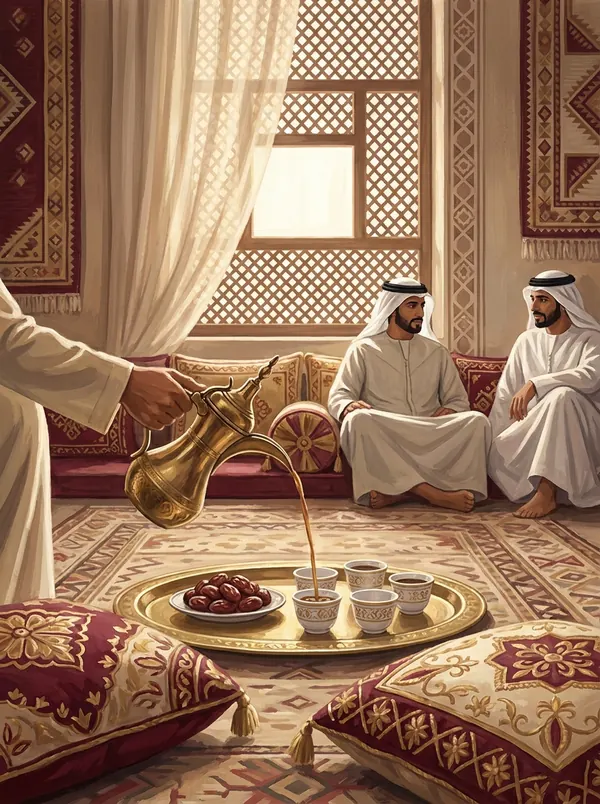
When greeting an Emirati, let them take the lead. Some Emirati men and women prefer not to shake hands with someone of the opposite sex, and a nod with your right hand on your chest is a gracious response. Use your right hand to give and receive things, and to eat at traditional meals.
Photos, video and privacy
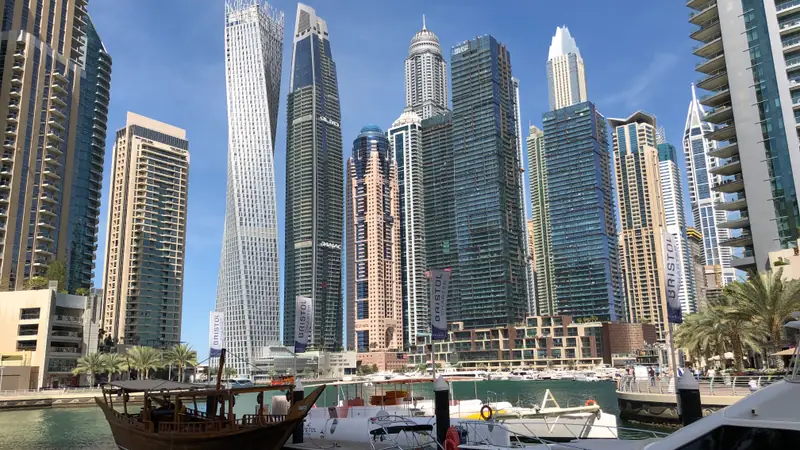
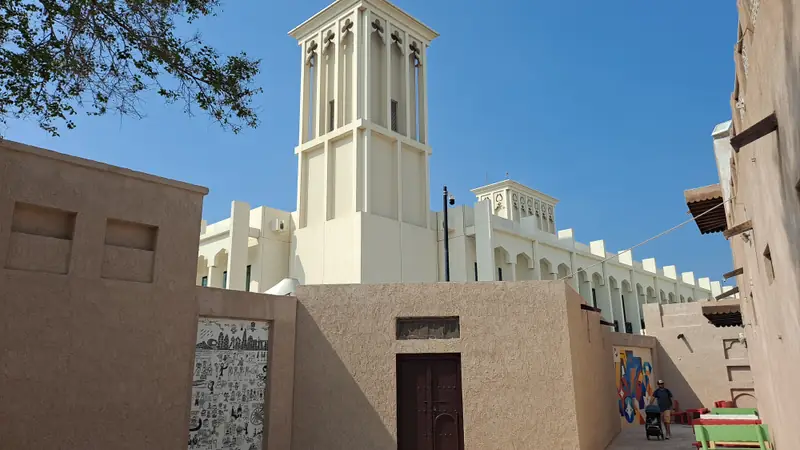
You will take hundreds of photos, and the cities practically invite you to: the skyline, the Burj Khalifa, the Dubai Fountain, the heritage quarters. The care is needed with people. Do not photograph Emiratis in traditional dress without their consent, and be especially careful with women and children you do not know. Image and privacy are protected by law in the UAE.
Before taking a portrait or a video in which someone is clearly recognisable, ask. If they say no, smile and move on. The care continues after the click: the official UAE government portal notes that privacy, defamation and cybercrime rules apply to media and social media, so do not post images of other people that might embarrass them, and do not film or share arguments, accidents or police activity.
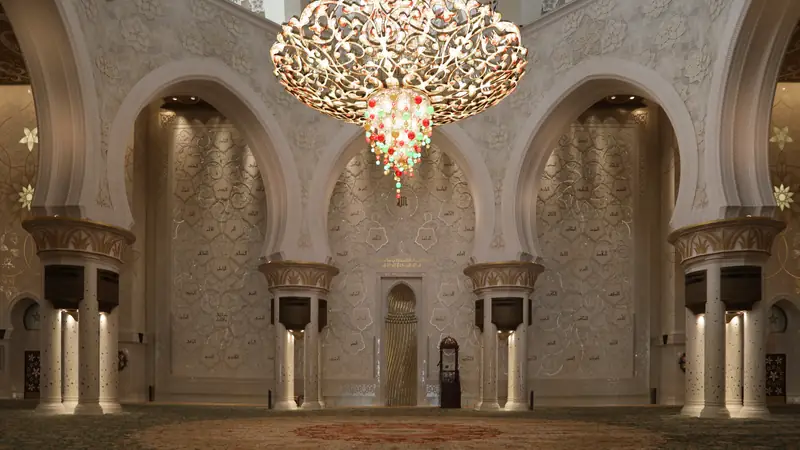
Avoid photographing government buildings, military installations, guarded official palaces and any area signposted as no photography. If in doubt, put the camera away. In museums, mosques and attractions, follow the signs at each site; the Sheikh Zayed Grand Mosque, for example, has its own photography etiquette.
Controlled medicines: check before you pack
This is the item that deserves the most preparation. The UAE tightly controls some substances that are routine elsewhere, and some painkillers, antidepressants and other medicines that act on the nervous system can be restricted or banned. A prescription that is perfectly legal at home does not automatically mean the medicine can enter the UAE.
Check each medicine by its active ingredient, not its brand name, against the UAE's official list, and see whether it requires a permit before you travel. The UAE Ministry of Health and Prevention (MOHAP) and the federal medicines authority run the permit service for travellers carrying controlled medicines, and the u.ae portal explains the process. Do it weeks before departure, not the night before.
Carry the prescription, ideally with a doctor's letter stating the diagnosis, dose and length of treatment, and bring only the quantity you need for the trip. Keep medicines in their original packaging, and never carry medicines for someone else.
Drones: only with registration and permission
Are drones banned? Not exactly, but you cannot simply unpack one and fly. Drone use in the UAE requires registration and authorisation from the federal and local civil aviation authorities, and many areas are off-limits, including the surroundings of airports, government sites and much of the urban area. Flying without authorisation can lead to confiscation of the equipment and legal consequences.
For most tourists, the honest recommendation is to leave the drone at home. If aerial footage really matters, for an event or a professional shoot for example, hire a licensed local operator who handles the permissions. Many hotels, private beaches and attractions also ban drones under their own rules.
If you still decide to bring one, check the official channels of the General Civil Aviation Authority (GCAA) and the guidance on u.ae first, find out whether you can register the device as a visitor, and respect every area and time restriction.
The weekend, Fridays and Ramadan
Since January 2022 the official UAE weekend has been Saturday and Sunday, in line with most of the world. Friday is still special, though: it is the day of the midday congregational prayer, and mosques are full at that time. Some public services work shorter hours on Fridays, and traffic around mosques changes close to prayer time.
For visitors, this has practical effects. Friday brunch remains a Dubai institution and malls and attractions open as usual, but mosque visiting hours may differ on Fridays. At the Sheikh Zayed Grand Mosque, always check visiting times for your chosen day on the Centre's official website. Saturdays and Sundays are when residents fill the beaches, parks and restaurants, so book ahead.
During Ramadan, non-Muslims are not expected to fast, but it is courteous not to eat, drink or smoke conspicuously in public during daylight hours. Many restaurants operate normally or in designated areas, and the cities come alive after iftar. Read our post on travelling during Ramadan for the details, and our guide on what to wear in Dubai and Abu Dhabi for outfits that suit each plan.
Quick summary and travelling with peace of mind
If you remember only one thing from this guide, make it this: be discreet, ask before photographing people, drink only in licensed venues and never drive afterwards, check your medicines before you fly and leave the drone at home. Everything else is the courtesy of any good guest.
When you plan your trip with High Class, Huda and our local team talk you through anything you are unsure about on WhatsApp: mosque visiting times, restaurant dress codes, how Ramadan affects your plans and a private driver to take you home after dinner. For anything that depends on the law, such as medicines and visas, we always point you to the official source, because the final word belongs to the UAE authorities.
| Topic | Do | Avoid |
|---|---|---|
| Alcohol | Drink in licensed venues and get a taxi or driver home | Drinking in public or driving after any drink |
| Affection | Holding hands and low-key closeness | Lingering kisses and embraces in public |
| Photos | Ask anyone who will appear in the shot | Photographing women, children and official buildings |
| Language | Complain calmly through formal channels | Swearing, obscene gestures, online abuse |
| Medicines | Check the active ingredient and permit in advance | Carrying someone else's medicine or no prescription |
| Drones | Hire a licensed operator | Flying without registration and permission |
If you are travelling from the UK, the US or India
- United Kingdom
- For British visitors, the adjustments that matter most are around alcohol and behaviour after a night out: pub-style drinking in the street or on the beach does not translate here, and a heated exchange can escalate legally. Some medicines available on prescription in the UK may be controlled in the UAE, so check each one against the UAE list before you fly. Entry rules depend on your passport; confirm on u.ae, ICP (icp.gov.ae) and GDRFA Dubai (gdrfad.gov.ae) before travelling. The UAE is 4 hours ahead of the UK in winter and 3 hours during BST.
- United States
- American visitors are often surprised that swearing, rude gestures and harsh online reviews or posts naming individuals can carry legal weight in the UAE. Keep complaints calm and factual. Some medicines commonly prescribed in the US may be controlled in the UAE, so check each active ingredient and any permit requirement before you travel. Visa requirements depend on your passport: confirm on u.ae, ICP (icp.gov.ae) and GDRFA Dubai (gdrfad.gov.ae) before booking. The UAE is UTC+4 with no daylight saving.
- India
- Indian travellers will find the cultural codes familiar, but the rules on alcohol in public, photography and online comments are applied strictly, so take them seriously. Check any prescription medicines against the UAE list before packing. On entry, visa on arrival is only for Indian passport holders who hold a valid visa or residence permit from the US, the UK, the EU or other countries listed by the UAE government; otherwise you need an e-visa arranged in advance. Always confirm on u.ae, ICP (icp.gov.ae) and GDRFA Dubai (gdrfad.gov.ae) before travelling.
Frequently asked questions
Can tourists drink alcohol in Dubai?
Yes, if you are non-Muslim and at least 21, in licensed bars, restaurants and hotels or in private spaces. Drinking in public is not permitted, and driving with any alcohol in your blood is a criminal offence.
Can couples kiss in public in Dubai?
Kissing and hugging in public are frowned upon and can have legal consequences. Holding hands is generally tolerated. Keep more intimate moments for your hotel.
Can I take photos of people in Dubai?
Ask first. Privacy and personal image are protected, and posting photos of others without consent can cause problems. Avoid photographing women, children and government buildings.
Can I bring my prescription medicines to the UAE?
Usually yes, but some medicines are controlled or banned. Check the active ingredient against the official UAE list, find out whether you need a permit and carry your prescription.
Can I fly a drone in Dubai as a tourist?
Only with registration and authorisation from the civil aviation authorities, and many areas are off-limits. Without permission, do not fly. For aerial footage, hire a licensed local operator.
What days are the weekend in the UAE?
Saturday and Sunday, since 2022. Friday still has the midday congregational prayer, so mosque visiting hours may differ that day.
Is swearing illegal in the UAE?
Insults and obscene gestures, including in messages and on social media, can be treated as a legal offence. In any dispute, stay calm and use formal channels.
Official sources consulted (7)
- UAE Government, Media regulation. https://u.ae/en/media/media-in-the-uae/media-regulation Consulted on .
- UAE Government, The UAE's Heritage. https://u.ae/en/about-the-uae/culture/arab-and-islamic-heritage Consulted on .
- UAE Government, Ramadan. https://u.ae/en/information-and-services/public-holidays-and-religious-affairs/ramadan Consulted on .
- UAE Government, Check if you need a visa to enter the UAE. https://u.ae/en/information-and-services/visa-and-emirates-id/Visa-information/do-you-need-an-entry-permit-or-a-visa-to-enter-the-uae Consulted on .
- Ministry of Health and Prevention (MOHAP). https://mohap.gov.ae Consulted on .
- General Civil Aviation Authority (GCAA). https://www.gcaa.gov.ae Consulted on .
- Sheikh Zayed Grand Mosque Centre. https://www.szgmc.gov.ae Consulted on .