Culture and etiquette
Ramadan in Dubai and Abu Dhabi: what changes, how to behave and why it is a great time to visit
Ramadan changes the rhythm of the UAE rather than closing it down. Here is how iftar and suhoor work, where discretion matters and how to plan your days around sunset.
Published on 13 min readBy High Class Dubai
Key takeaways
- Ramadan follows the lunar calendar and starts roughly 10 to 11 days earlier each year; the exact date depends on the moon sighting.
- Visitors are not expected to fast, but eating and drinking openly in public during daylight hours calls for discretion.
- Plenty of restaurants serve during the day, some behind screens; after sunset, iftar and suhoor bring the cities to life.
- Attraction hours often change, so check each official website for your exact dates.
- The Sheikh Zayed Grand Mosque stays open to visitors; check times and rules on the official Centre website.
- Eid al-Fitr closes the month with a festive mood, busy cities and higher demand for hotels and restaurants.
In this article
What Ramadan is, and why the dates move every year
Ramadan is the ninth month of the Islamic calendar and the most important time of year for Muslims. For around a month, those observing it fast from dawn to sunset, with no food, drink or smoking in between. It is also a month of prayer, charity, family and reflection. Once you understand that, the month stops looking like a list of restrictions and starts looking like what it really is: one of the most rewarding cultural experiences the region offers.
Because the Islamic calendar is lunar, Ramadan starts roughly 10 to 11 days earlier each year on the Gregorian calendar. In 2026, Visit Dubai placed the start in February, with the month running into March and Eid al-Fitr straight after. For 2027, astronomical calendars put the likely start somewhere between early and mid-February, but treat that as an estimate: the official date is only confirmed once the crescent moon has been sighted, and it is announced by the religious authorities the evening before.
In practice, you can plan your trip around the approximate window, but do not hang a special Eid dinner or a one-off event on a single fixed date. Build a spare day into the itinerary to absorb the uncertainty. If you are still deciding when to travel, our post on the best time to visit Dubai shows how Ramadan fits in alongside weather, events and prices.
Iftar and suhoor: the two meals that shape the month
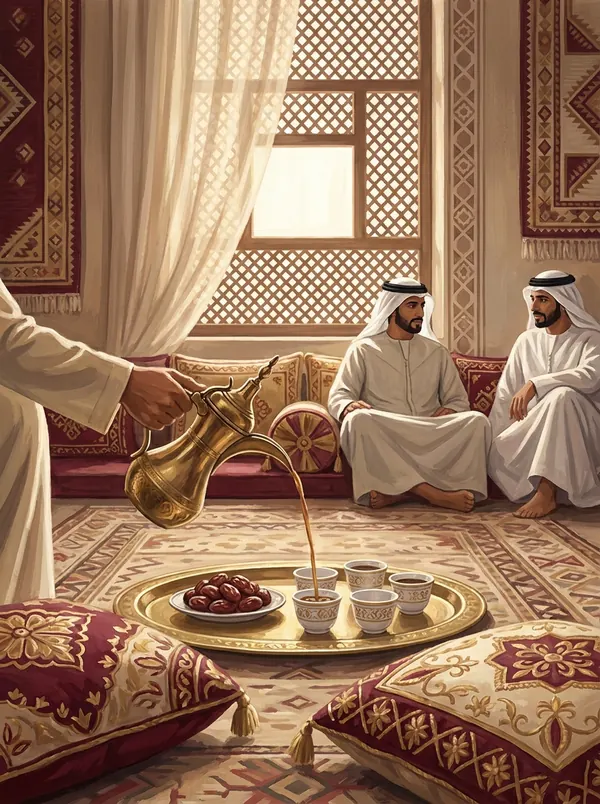
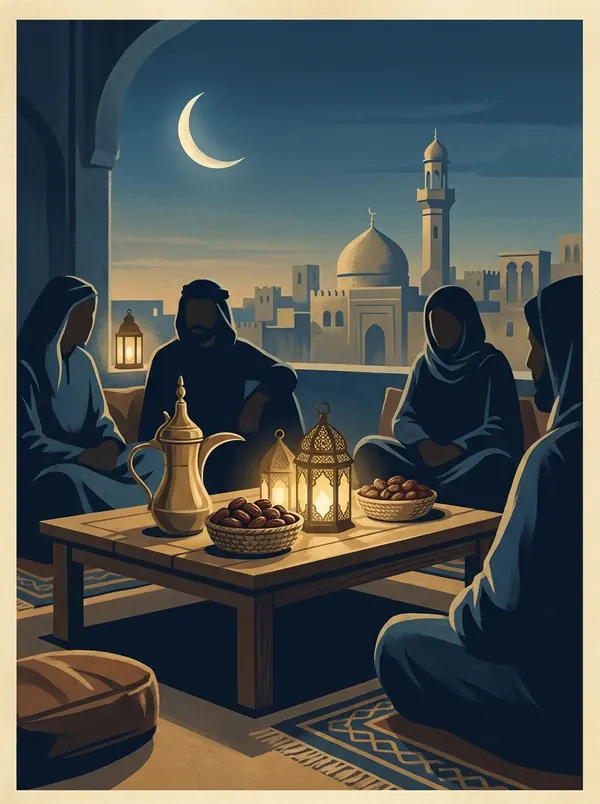
Iftar is the meal that breaks the fast at sunset. Traditionally it opens with dates and water, followed by soups, rice dishes, grilled meats, salads and a generous spread of sweets. In the Emirates, iftar is a social occasion: families gather, companies host their teams, hotels lay on lavish buffets and Ramadan tents, dressed with lanterns and rugs, fill up night after night. For a visitor, joining an iftar is the most direct way to feel what the month is about.
Suhoor is the pre-dawn meal that sets people up for the day's fast. In Dubai and Abu Dhabi it has become a late-night outing in its own right: many hotels and restaurants serve suhoor well into the night, with shisha, gentle background music and lighter menus. This is when the city feels most awake, and anyone who enjoys a relaxed evening out tends to be surprised by how lively things are after 10pm.
A few things residents learn quickly. Book your iftar in advance, particularly at weekends, because the popular venues sell out. Arrive a few minutes before sunset, since the meal begins at the exact moment of the call to prayer. And avoid scheduling long drives in the half hour before iftar: traffic builds as everyone races home, and drivers are about to break their own fast too.
Ramadan etiquette: respectful, not anxious
First, the reassuring part: tourists and non-Muslim residents are not expected to fast. Second, out of respect for those who are, you should avoid eating, drinking or chewing gum in plain view in public places during daylight hours, which means streets, public transport, open beaches and the common areas of malls. The rules today are considerably more relaxed than they were a few years ago. Many restaurants serve as usual during the day, some behind screens or in designated areas, and hotels keep their cafés and room service going. Discretion is still the right instinct.
Common sense covers almost everything. Taking a discreet sip of water because the heat is getting to you is not an issue; strolling through the souq with an iced coffee at midday is simply tactless. Inside your hotel, a private car or an open restaurant, eat as you normally would. For the wider picture of day-to-day rules, read our post on laws and etiquette in the UAE and the guide to what to wear in Dubai.
- Clothing: cover shoulders and knees in malls, souqs and public areas; at the mosque, follow its own dress code.
- Music: keep the volume down in the car and in open spaces, especially near mosques.
- Affection: what already calls for restraint the rest of the year calls for even more this month.
- Photos: do not photograph people praying or sharing iftar without asking first.
- Alcohol: still served in licensed venues, though some adjust their hours; avoid any public excess.
- Greetings: saying Ramadan Kareem to the people you meet is kind and always well received.
Opening hours for attractions, malls and services
During Ramadan, official working hours are shortened across many sectors, and attractions often rework their schedules. The usual pattern is a slightly later opening, a pause or earlier close around iftar and, in some cases, longer evening hours. There is no single rule that applies everywhere, so the only reliable source is each attraction's official website, checked a few days before your visit.
One concrete example: the Dubai Frame states on its official site that it opens daily from 8am to 9pm and that these hours may change during Ramadan and public holidays. Museums, theme parks and observation decks follow the same logic. Malls, on the other hand, tend to stay open later and become the place to be after iftar, while small restaurants in the older districts may close during the day and reopen in full swing at night.
| Type of place | What usually changes | How to plan |
|---|---|---|
| Observation decks and museums | Later opening or earlier closing on some days | Check the attraction's official site in the week of your visit |
| Malls | Extended evening hours | Save shopping and indoor outings for after iftar |
| Restaurants | Some close by day; others serve in screened areas | Book iftar and dinner well ahead |
| Mosques | Visiting hours adjusted around prayer times | Confirm on the managing centre's website |
| Offices and public services | Shorter working day | Avoid leaving paperwork for late afternoon |
Visiting the Sheikh Zayed Grand Mosque during Ramadan
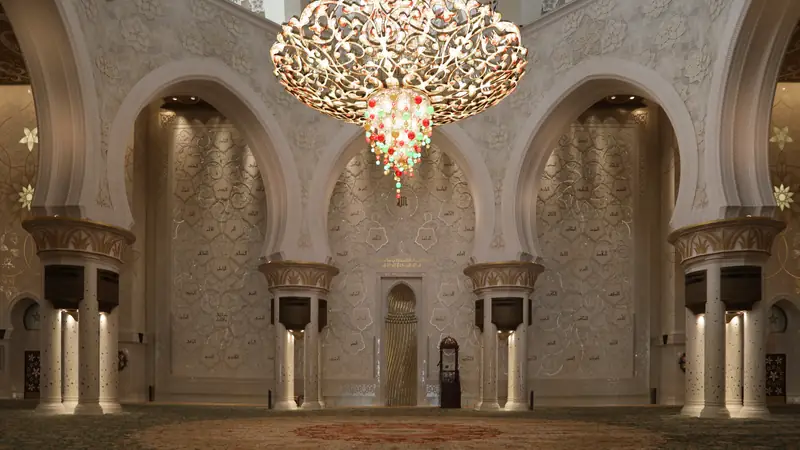
The Sheikh Zayed Grand Mosque in Abu Dhabi is an active place of worship and continues to welcome visitors during Ramadan. It is arguably at its most moving at this time of year: in the late afternoon, worshippers arrive for iftar and evening prayers, and the building's lighting, which according to the official Centre shifts in tone with the lunar cycle, takes on extra meaning. The Centre describes a complex of 82 domes and minarets of around 107 metres.
Because tourist visiting hours flex around prayer times, Ramadan is exactly when you most need to check the Sheikh Zayed Grand Mosque Centre website (szgmc.gov.ae) before leaving Dubai. Wear modest clothing that covers arms and legs, follow the code of conduct published by the Centre and avoid turning up just before iftar, when the flow of worshippers peaks and the space deserves to be left to them.
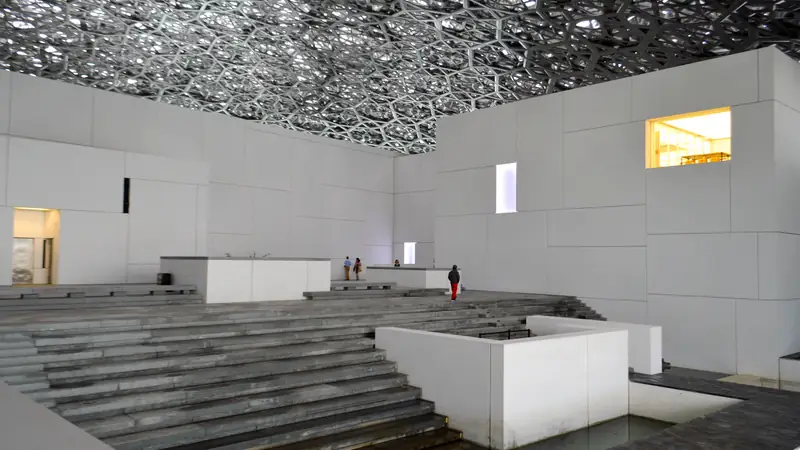
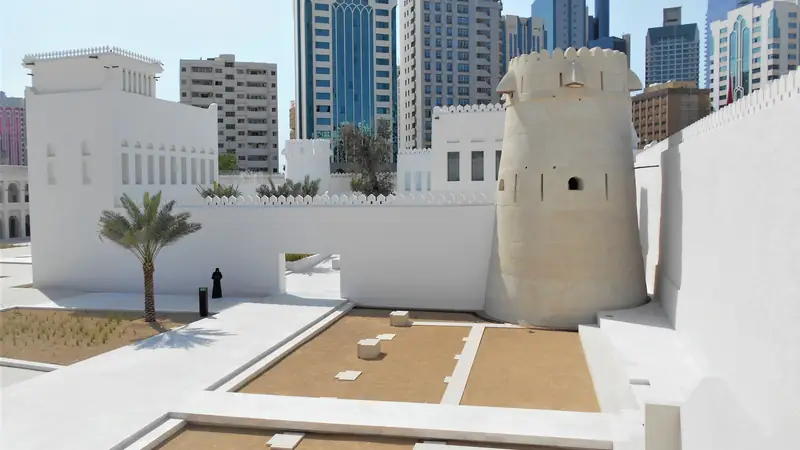
A good shape for the day is the mosque in the early afternoon, then Qasr Al Watan or the Louvre Abu Dhabi, and the drive back to Dubai after iftar, when the motorway is calmer. If you are planning it as a return trip, our post on a day trip to Abu Dhabi from Dubai helps you size the day.
The upside of travelling during Ramadan
Plenty of travellers steer clear of Ramadan because they expect a shuttered city, and that is precisely what creates opportunities for those who go. In many years, hotels offer sharper rates and packages that include iftar or suhoor, and attractions that normally have queues are quieter during the day. It is not guaranteed, and overlapping with school holidays elsewhere can change the picture, but it is worth comparing.
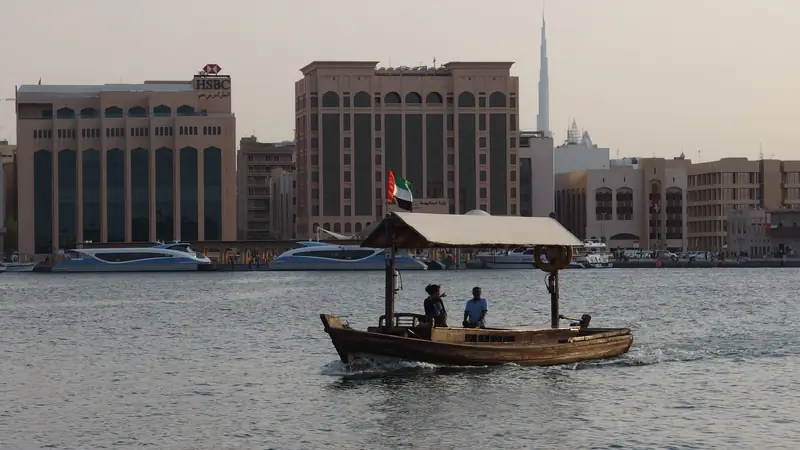
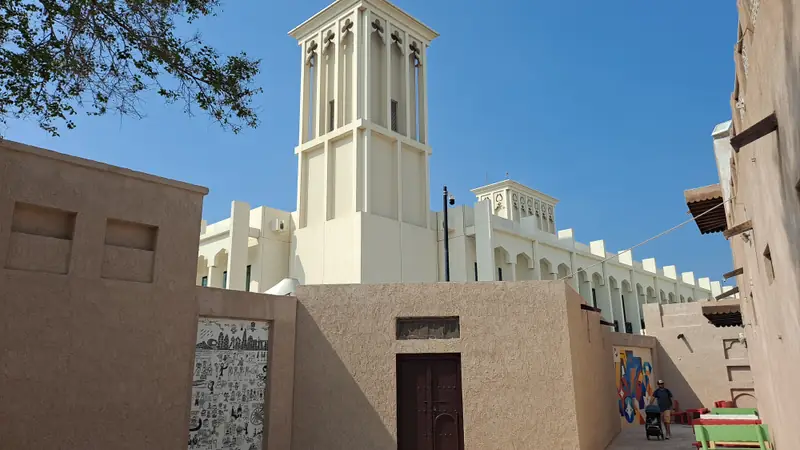
The real draw, though, is the atmosphere. Historic districts such as Al Fahidi and the souqs along the Creek fill with lanterns, night markets and a family crowd you rarely see at other times. Hotel Ramadan tents host memorable iftars, and the culture of hospitality comes to the fore, which makes this a wonderful month for anyone who loves Arabic food and wants to understand the country beyond its skyline.
The weather helps too when Ramadan falls in February and March, as it has recently: pleasant days and mild evenings, ideal for eating outdoors. As the calendar keeps moving forward, the month will gradually settle into the heart of the UAE winter, which makes it even more appealing for travellers who want good weather and a cultural experience in the same trip.
Eid al-Fitr: the celebration that ends the month
Eid al-Fitr marks the end of Ramadan and begins as soon as the new moon is sighted. It brings official public holidays in the UAE, special morning prayers, new clothes, family visits, gifts for children and a great deal of food. The cities switch into celebration mode, and malls and parks put on special programmes.
For visitors, Eid has two practical effects. The first is all upside: the energy is infectious, restaurants return to their normal daytime rhythm and there is something on for every age. The second needs planning: residents use the holiday to travel or go out, so hotels, restaurants and attractions get busier and prices tend to climb. Since the date is only confirmed by the moon sighting, book early and choose rates with flexible cancellation.
Building a stress-free Ramadan itinerary
The trick to enjoying Ramadan is to flip the usual itinerary: lighter days built around indoor attractions and cultural visits in the morning, and fuller evenings with iftar, souq walks and suhoor. A well-planned Ramadan trip leaves the desert for late afternoon, puts the Grand Mosque into a confirmed time slot and saves at least one special iftar, whether in a traditional tent or a hotel with a view.
At High Class, our local team follows this calendar closely. On WhatsApp, Huda can fit your itinerary to that year's dates, confirm attraction hours shortly before you travel and suggest iftars that suit the way you like to travel. With a private driver and guide, the car also solves the question of where to eat or drink during the day, and the ride back after iftar is easy. To see how all this fits into a complete trip, the six-night Dubai and Abu Dhabi itinerary is a good starting point.
If you are travelling from the UK, the US or India
- United Kingdom
- When Ramadan falls in February and March, it can overlap with February half-term and, in some years, the run-up to Easter, both peak times for British families heading to the Gulf. Expect busier flights during those weeks even if the city itself feels calmer by day. Entry rules depend on your passport, so check the current position on u.ae, the ICP (icp.gov.ae) and GDRFA Dubai (gdrfad.gov.ae) before you book, and make sure your passport is valid for at least six months from arrival. The UAE is 4 hours ahead of the UK in winter and 3 hours ahead during British Summer Time.
- United States
- For American travellers, a February or March Ramadan can coincide with Presidents' Day weekend and spring break, so it is worth checking school calendars before fixing dates. The long flight makes a gentle first day sensible anyway, and a late iftar on arrival is a lovely way to adjust to the time difference. The UAE does not observe daylight saving time, so the gap with the US East Coast is 9 hours in winter and 8 in summer. Check visa requirements for your passport on u.ae, the ICP (icp.gov.ae) and GDRFA Dubai (gdrfad.gov.ae), and allow for six months of passport validity on arrival.
- India
- Short flights make the UAE an easy Ramadan or Eid break from India, but Eid weekends are also when demand from India peaks, so book flights and hotels early. If Holi falls in March, expect busier routes around it too. Visa on arrival applies only to Indian passport holders who hold a valid visa or residence permit from the US, the UK, the EU or another country on the UAE government's list; everyone else needs a pre-arranged e-visa. Confirm your case on u.ae, the ICP (icp.gov.ae) and GDRFA Dubai (gdrfad.gov.ae). The UAE is 1 hour 30 minutes behind India all year.
Frequently asked questions
Is it worth visiting Dubai during Ramadan?
Yes, if you are happy with a calmer pace during the day. The city keeps running, iftar and suhoor create a unique atmosphere and in many years hotel rates are more attractive. If you are after a lively party scene, another month will suit you better.
Can tourists eat in public during Ramadan in Dubai?
The rules have relaxed and many restaurants serve during the day, but out of respect avoid eating, drinking or chewing gum in plain view in public during fasting hours. At your hotel, in a private car or inside an open restaurant, eat as normal.
When is Ramadan in 2027?
Astronomical calendars estimate a start between early and mid-February 2027, but the official date depends on the moon sighting and is only announced the evening before. Leave a margin of a day or two in your plans.
Do attractions close during Ramadan?
Generally not, but hours often change. The Dubai Frame, for example, notes that its hours may change during Ramadan. Check each attraction's official website a few days before you go.
Can I visit the Sheikh Zayed Grand Mosque during Ramadan?
Yes. The mosque continues to welcome visitors, with hours adjusted around prayer times. Check the schedule on szgmc.gov.ae, wear clothing that covers arms and legs and avoid arriving close to iftar.
Is alcohol available in Dubai during Ramadan?
Licensed venues, usually inside hotels, continue to serve, some with adjusted hours. The mood is more low-key, and any public excess should be avoided.
What is Eid al-Fitr and how does it affect my trip?
It is the celebration that ends Ramadan, with official public holidays in the UAE. The cities are festive, but hotels and restaurants are busier and pricier. Book early and keep your cancellation options flexible.
Official sources consulted (6)
- UAE Government, Ramadan. https://u.ae/en/information-and-services/public-holidays-and-religious-affairs/ramadan Consulted on .
- Visit Dubai, Guide to Ramadan in Dubai. https://www.visitdubai.com/en/articles/guide-to-ramadan Consulted on .
- Visit Dubai, Ramadan in Dubai Frequently Asked Questions. https://www.visitdubai.com/en/festivals-and-events/ramadan-in-dubai/faqs Consulted on .
- Sheikh Zayed Grand Mosque Centre. https://www.szgmc.gov.ae Consulted on .
- Dubai Frame, Plan your visit. https://www.dubaiframe.ae/en/plan-your-visit Consulted on .
- UAE Government, Check if you need a visa to enter the UAE. https://u.ae/en/information-and-services/visa-and-emirates-id/Visa-information/do-you-need-an-entry-permit-or-a-visa-to-enter-the-uae Consulted on .